Daniel Hart, Crypto Casino Analyst and Editor
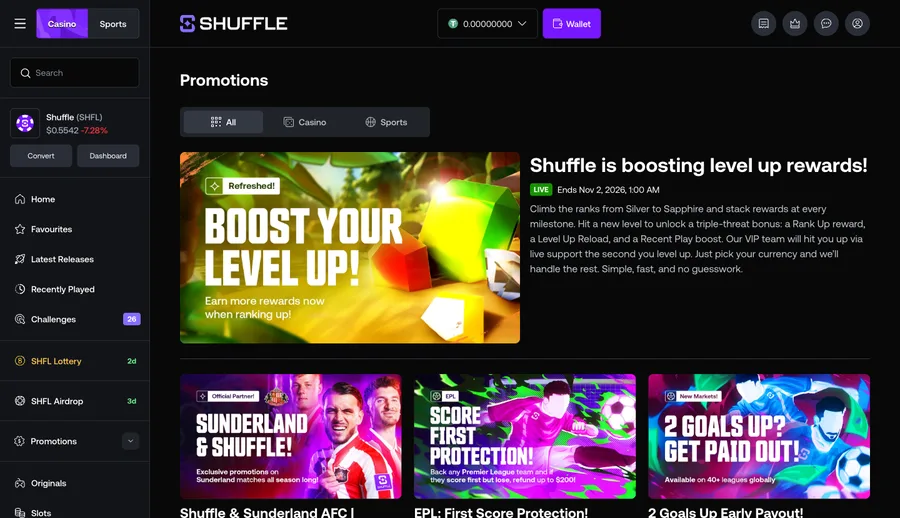
The analyst behind these pages, Daniel Hart, checks and signs every one of them on Shuffle Casino, and the Curacao regulator own licence register is where the operating company gets checked. An operator score is a weighted average of 16 criteria in 3 groups, and every return figure quoted on this site comes from the house edge the operator publishes per title through its own catalogue. This profile sets out the method, the 4 sections covered, the 19 signed pages, and how to reach the editors.
Table of contents
About This Reviewer and the Byline
The byline is a role, not a résumé. The reviewer byline on Shuffle Casino belongs to a narrow role. Play the game in its official demo, rebuild a finished round by hand, then report only figures that Natural Nine BV, an operator or a licence register has put on record. Independent analyst who reads operator terms end to end, checks licence numbers in the regulator own public register, takes catalogue figures from the operator public API rather than from its marketing, and verifies provably fair commitments by hand.
The name here is provisional. The identity behind this byline stands in until a real one is verified, and it will be replaced with a real, verifiable person before launch, because a page about money owes its reader a name that can be checked. Credentials, employers and social profiles stay off this page until they exist in public.
In Short, What the Analyst Signs
Here's the deal on this profile: it's a method, not a résumé. Every figure on the 19 pages is printed beside the document it came from, and the schema names a role because a role is what can be verified today.
If a number isn't printed by the provider, an operator or a regulator, the page says not confirmed and moves on. That's the whole promise, so the sections below simply show it working.
- Role
- Crypto-Casino Analyst
- Focus
- One casino, its maths and the lobbies carrying it
- Method
- Demo first, rounds rebuilt by hand, sourced numbers
- Scoring
- 1 to 10, across 5 named criteria
- Writing since
- Contact
- Editorial contact page
What Should You Check Before You Start?
Three checks are worth making before you deposit anywhere, and all three cost nothing. Browse the game page for the published range of returns, then explore the register entry for the licence behind it.
- Look the licence number up in the regulator own register and read the status line
- Open the fairness panel, rotate the seed pair and hash what it reveals
- Check the account number in the regulator register, according to the date you read it.
Every figure here carries the date it was read, and all 19 pages are dated. Doing this in advance turns the rest of this profile into a cross-check instead of a claim.
How This Analyst Checks a Casino
The analyst now starts every check in the published documents, because the terms are the one place where an operator states what it will actually do. The marketing sits on the front page, the obligations sit in the clauses, and the gap between them is the story on most pages here.
The checks of are the only first-hand evidence accepted on this site, and not one of them involved a stake. Two seed rotations closed the fairness commitment, one unauthenticated API query returned a catalogue of 4,382 titles against a storefront claim of over 15,000, and three footer policies turned out to hold 1,122 characters of shell text each.
Only then does the analyst read the current provider game page and the operator terms as they now stand. Testing happens in play money, so withdrawal speed is quoted from the terms instead of timed by hand. That limitation is printed on every page it touches.
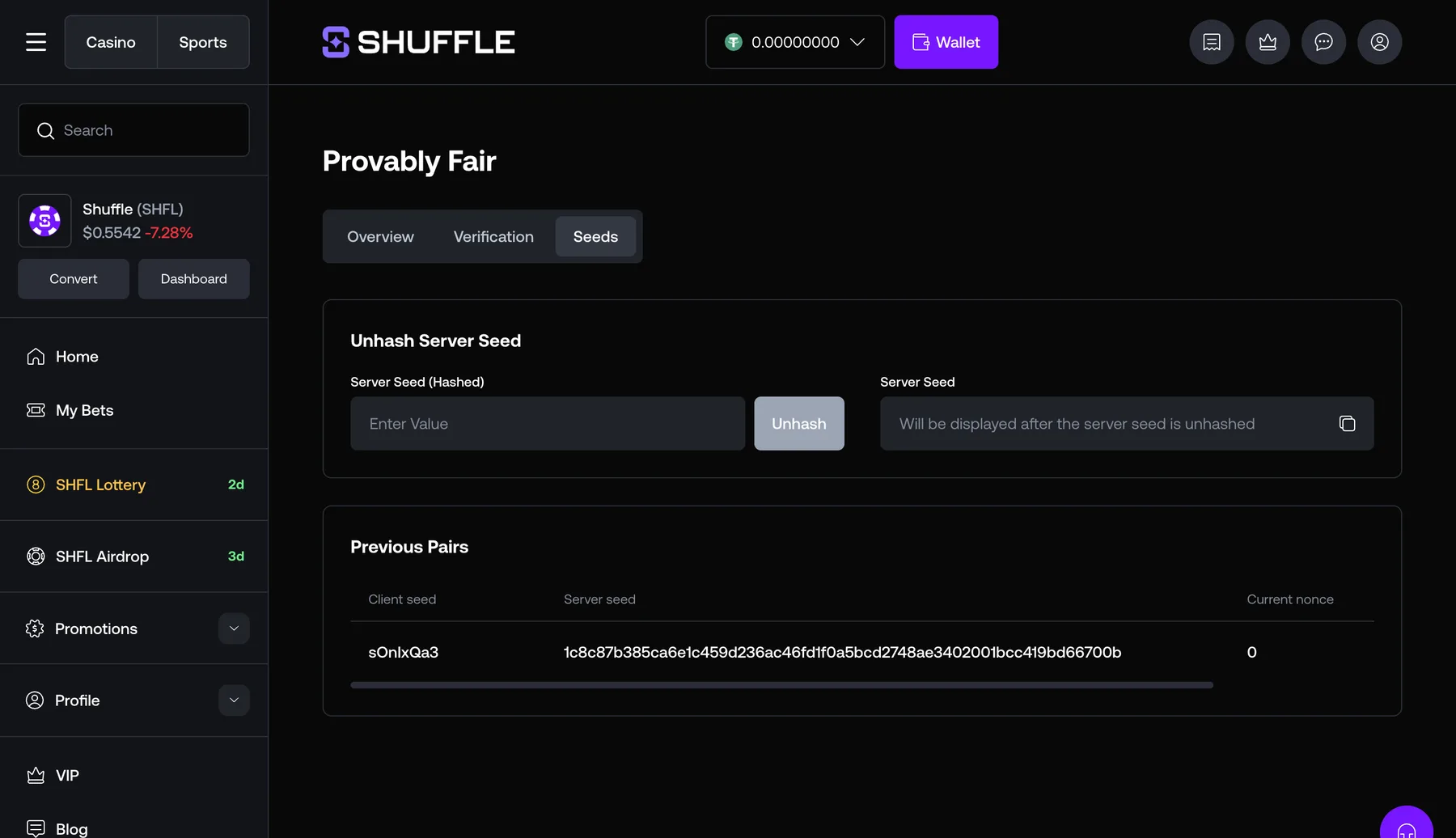
There is a seed-and-hash panel here, and it is the one thing on this site a reader can close for themselves. The analyst copies the hash published for the next server seed, rotates the pair, hashes the revealed seed as an ASCII string and compares. Crash and Slide run a different pre-commit scheme, so those two stay outside that check. The full procedure sits on the testing method page, which every review links from its byline.
5 Types of Check, Compared in a Table
No criterion outweighs another. Five criteria carry the same weight in every score, and the criteria in our scoring measure 5 separate things, and a page states each one instead of blending them into a mood. Return, licence and RNG, bonus floors, round design and disclosure all count the same, so the headline figure is their plain average.
| Criterion | What is verified |
|---|---|
| Return and limits | The one return the developer publishes, the stake floor and ceiling in the limits panel, and the ceiling nobody publishes at all. |
| Licence and certification | The licence number in the regulator own register, and whether a laboratory certificate names the games it claims to cover. |
| Fairness commitment | Whether the server seed the panel commits to before play is the one it reveals afterwards. |
| Money rules | What the terms commit to on withdrawals, fees and verification, quoted clause by clause. |
| Disclosure | Whether every number on the page can be traced to a source a reader can open. |
Which Score Means Play Again?
Seven out of 10 is the line where a game earns a replay. A score of 7 or higher means the analyst would play the game again in the demo. A score of 5 out of 10 or lower arrives with a named alternative, so a reader always has somewhere better to go.
The score appears in the first 100 words of a review and again in the verdict. A reader who stops early still leaves with the answer, which is the point of printing it twice.
What This Analyst Covers, and Its Limits
This analyst covers one casino, and nothing else. Coverage stays deliberately narrow, and compared to a multi-game portal that is the whole point, so the analyst covers one casino and its ecosystem: the published margins, the licence record, the money clauses, the fairness panel, operator lobbies read on official sites, and how a casino bonus applies to a casino. Since 2026 that has produced 19 pages in 4 sections.
The list of pages below runs in reading order. Start with the Shuffle Casino review for the verdict, then move to the operator pages for lobby detail. Natural Nine BV supplies the game, while the casinos listing it answer to their own regulators and pick which certified return to run.
- The published house edge of every title, read from the operator own catalogue.
- Stake limits and the money cap, quoted from the limits panel itself.
- Studio licences, checked by account number in the regulator register.
- Operator pages written only from official casino sites, including deposit, withdrawal and mobile app detail.
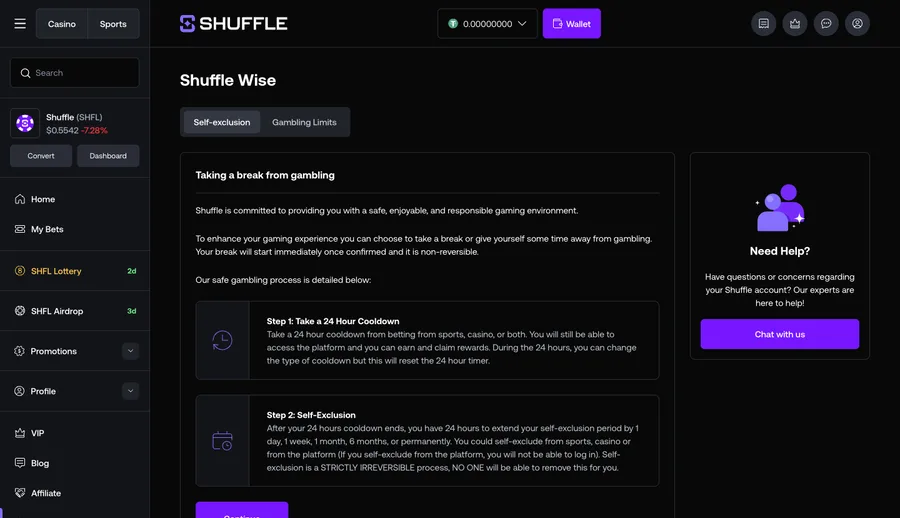
- Responsible gambling limits and warning signs, with real help lines.
The gaps in the public record are worth naming out loud, and several of them are real, so they are printed as problems instead of hidden.
Here is the shortlist a reader should carry into this lobby. The only laboratory certificate published names eleven titles and carries no certificate number, six of the seventeen in-house games sit outside it, and three policies linked from every footer are empty shells. Each of those problems is printed where it applies.
What Is Verified, and What Is Not?
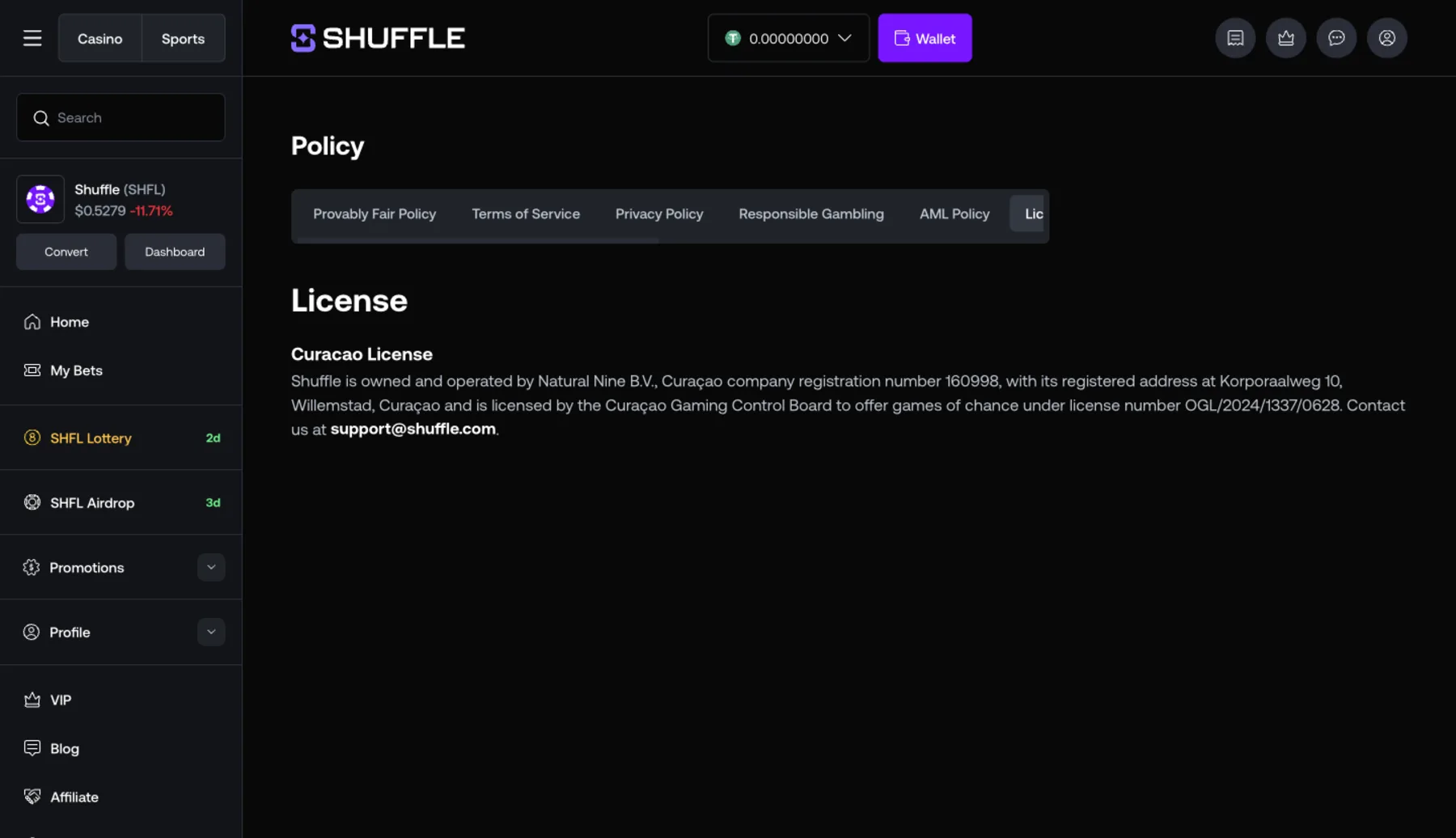
The verified list starts with the licence. The number in the footer resolves in the regulator own register, and the monthly files show the entry settling over time rather than appearing finished. The fairness commitment is the second: we rotated the seed pair twice, hashed each revealed seed, and both matched the value published beforehand. Neither check costs anything, and neither needs a stake.
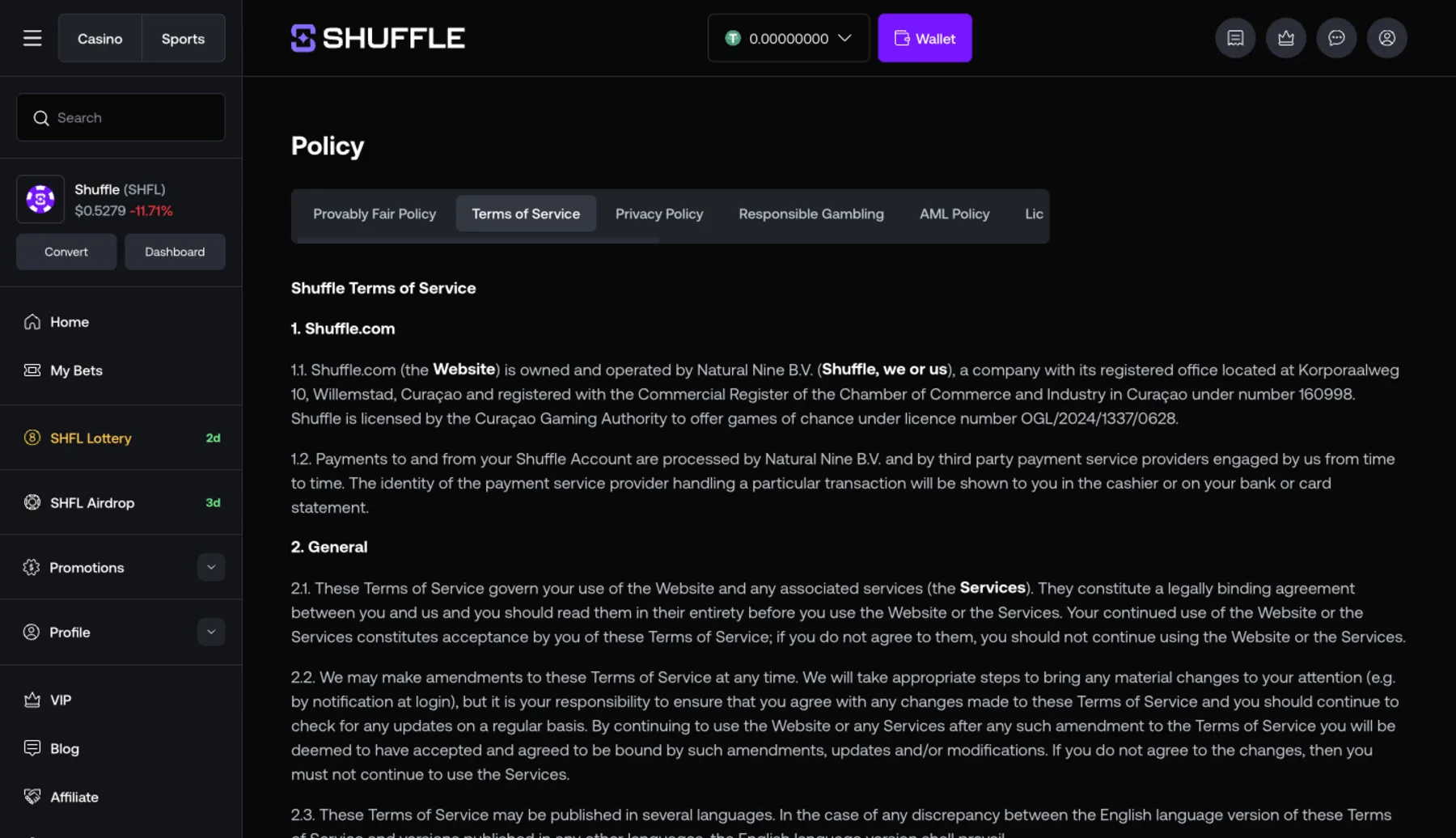
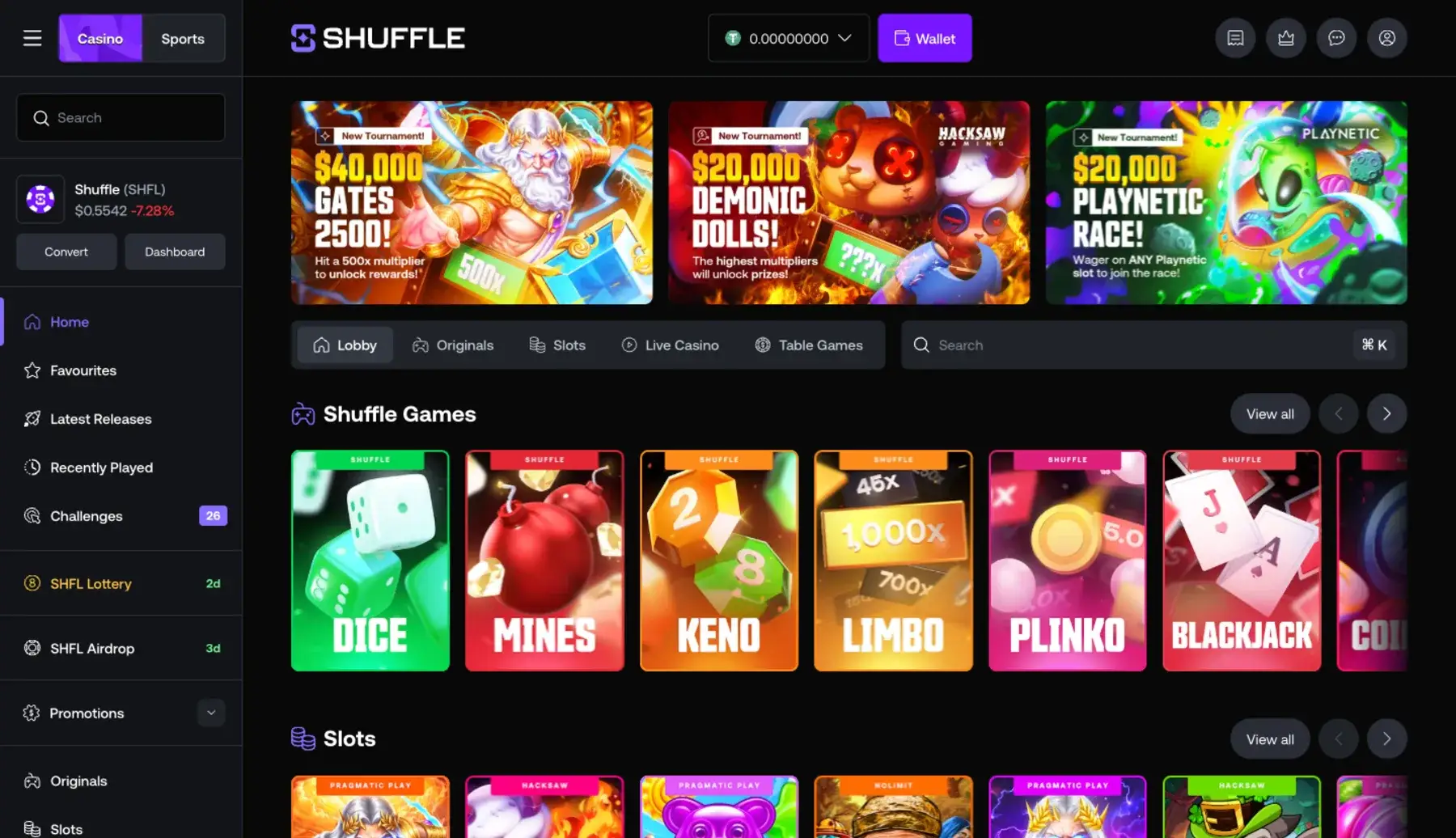
The API covers what the storefront summarises. Its totalCount of 4,382 sits against an advertised figure of over 15,000, the provider list sums to 5,174 instead, and the sitemap carries 10,278 game URLs including withdrawn titles. Three numbers from one company, which is why no page here merges them.
The limits are just as real. A matching hash proves the server seed was committed before the round and nothing more, so it is not evidence that any single result was fair, and Crash and Slide run a scheme a lone player cannot close. The iTech Labs certificate names eleven titles, carries no number, and was issued against UK Gambling Commission standards although the licence is Curacao, which is not a UK licence. You will see each gap stated instead of smoothed over.
Pages This Analyst Has Signed
The index below is generated from the database instead of typed by hand, so every one of the 19 content pages appears in it, each with its section and the date of its last edit. A page therefore cannot quietly drop out of the list.
A page that was merely rebuilt keeps its old date, because a build is not an edit. However, a page re-checked against a changed operator term gets a fresh date the same day, so you can tell one page from another at a glance.
Each page in the index carries its section beside it, and each page links straight through to the work itself. A page edited this morning shows that date; a page merely rebuilt keeps the older one.
Every page above is a page the analyst has read end to end, and no page enters the list until its sources are checked. The date shown on each page is the one of its own last edit.
Terms This Profile Uses
- Return to player
- The share of all stakes a game hands back across millions of rounds, published by the provider as a figure or as a range.
- Certified generator
- A generator audited by an outside laboratory. iTech Labs holds the only certificate published here, it names eleven titles, and it carries no certificate number.
- Demo mode
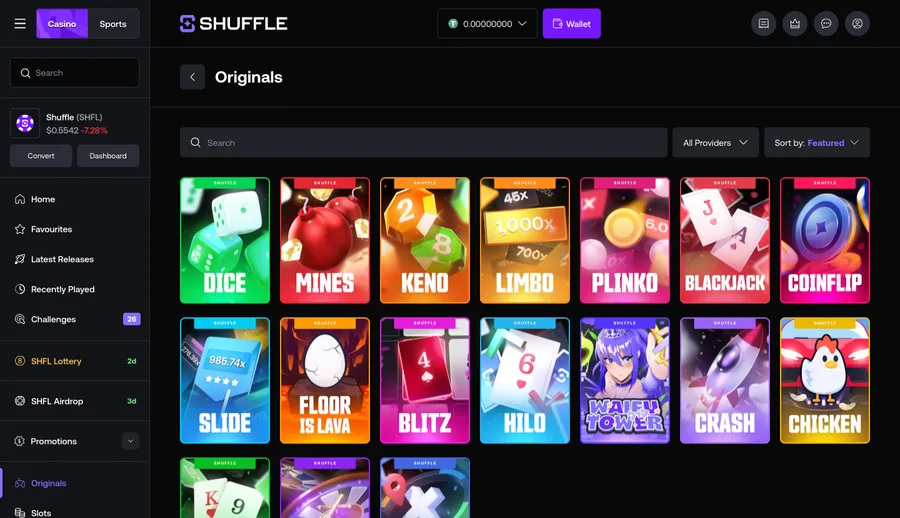
- A play-money version of an Original. Thirteen of the seventeen offer one; Dice, Mines, Plinko and Crash do not. No score here rests on one.
- Not confirmed
- The label printed whenever no provider page, operator term or licence register states a figure the reader asked about.
Where the Return Figures Disagree
The return figures disagree across sources, so the table sets them beside one another instead of averaging them. Readers can then weigh each claim against the party that made it.
| Where the figure comes from | Figure printed | How it is treated |
|---|---|---|
| The operator catalogue API | A house edge per title | The only return figures this operator publishes; this is what these pages quote |
| The operator storefront | Over 15,000 games | Contradicted by the operator own API, which returns 4,382, so the API figure is the one of record |
| Third-party catalogues | Various | Affiliate directories restate operator marketing, so nothing here is sourced from them |
The Session on Record
One session stands behind every first-hand sentence on this site, and it ran for ten minutes on play money alone. Splitting it in two below separates what the rounds paid from what we managed to rebuild afterwards.
| Part of the record | Date | What it holds |
|---|---|---|
| Seed rotations | Two independent rotations, each revealed seed hashed and matched against the commitment published beforehand | |
| Rounds rebuilt | Three fairness panels rehashed by hand, all three matching the client |
What the Rules Screen Prints
The limits panel prints its own figures, and the analyst copies them exactly as they appear. Nothing in the table below is inferred from a catalogue.
| Field | Value as shown in the client |
|---|---|
| Published returns | A house edge per title, from 0.52% to 2.7% across the in-house games |
| Published ceiling | None for the casino; the only published cap is $500,000 a day on the sportsbook |
| Published house edge, lowest | 0.52% on Blackjack |
| Published house edge, highest | 2.7% on Roulette |
Corrections, Contact and the Reply Rule
Corrections travel one way only. One page, one sentence and one document settle most of them. They go through the contact page: name the page, quote your sentence, attach the source you believe is right. If your source holds up, the page changes and its update date moves. Where two sources disagree, they are printed side by side, with a note on which one the provider stands behind.
- Send the page URL and the exact sentence you dispute.
- Attach the document that shows the correct value.
- Give the date you read that document, because operator terms move.
- Say whether you want to be credited by name.
Readers who want the whole procedure should read how we test it and the terms of use. Before any deposit, read the responsible gambling page; every page here is written for adults aged 18 or over.
Does a Demo Score Mean Anything?
A demo score means something narrow, and the page says so: it measures mechanics, licensing and sourcing, and it never measures how a bankroll behaves under real pressure.
Readers who want the wider answer should read the limits above before the verdict below. A score summarises quoted clauses, API responses and register entries, and nothing beyond that.
Recap: What These Analyst Pages Promise
Two promises close this profile. If you want the short answer on any figure, the provider page is the better source, and it wins every time. Nothing reaches a reader that a document does not already carry. Coverage runs to 19 pages in 4 sections, and every one of them carries a byline and two dates.
The weaknesses stay on the page beside the strengths, because a profile nobody could argue with is worth nothing. The about page explains where the money comes from, and why a commission leaves a score untouched.
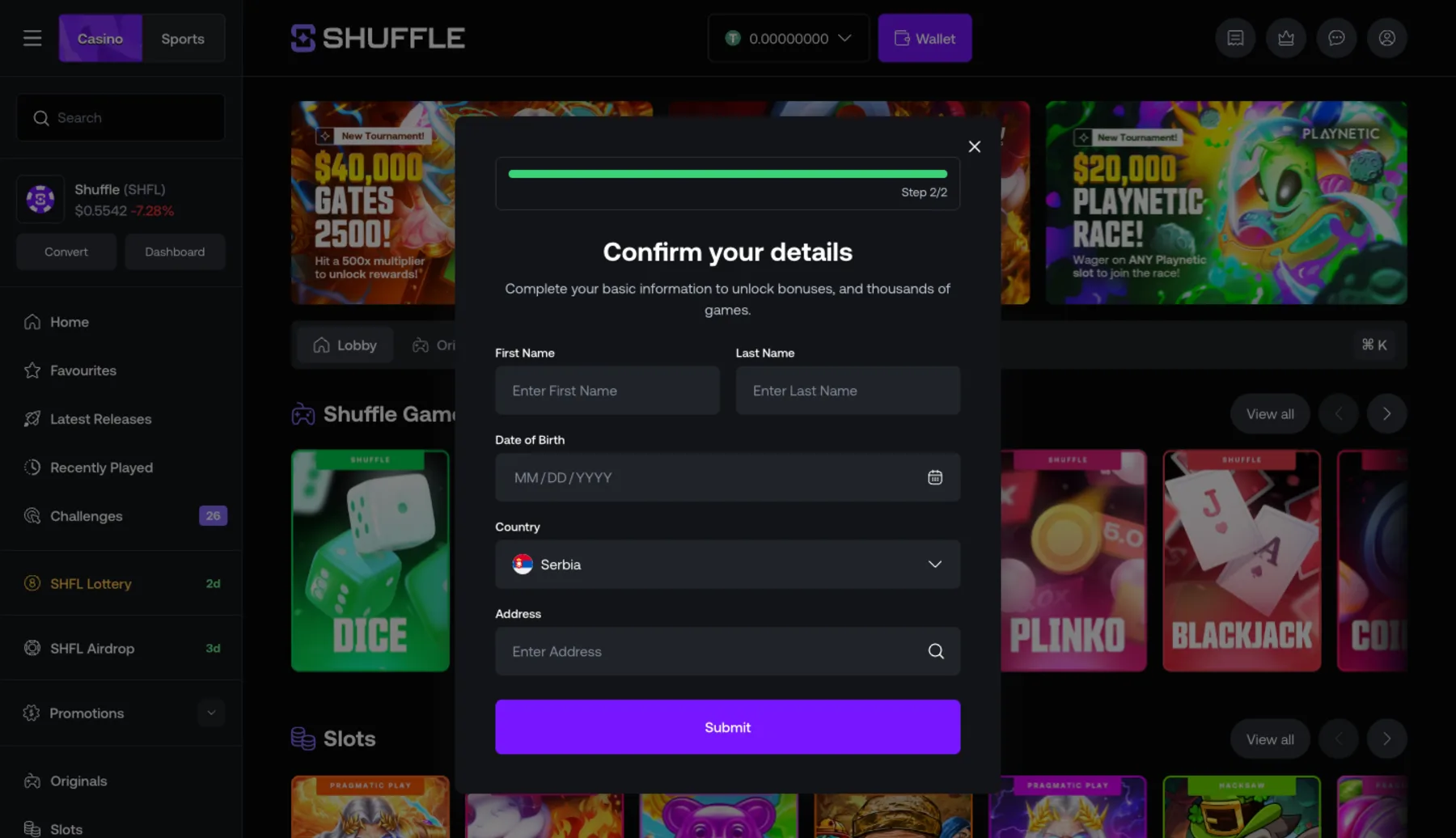
Deposits and identity checks stay on the operator's own secure site.
Related Reading on This Casino
More on this game, from the same section first: